

INVITED SPEAKERS
INTERNATIONAL SPEAKERS
-
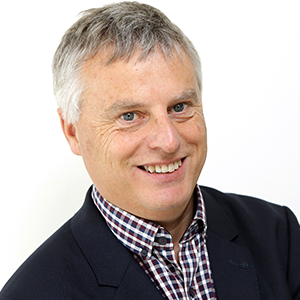
Prof Johan Neyts
University of Leuven (KU Leuven), Belgium
Read More
Johan Neyts (CV) is full professor of Virology at the University of Leuven (KU Leuven), Belgium where he teaches virology at the medical school and at the school of dentistry. His laboratory of Virology and Antiviral Research has a long-standing expertise in the development of antiviral strategies and drugs against emerging and neglected viral infections such as dengue and other flaviviruses, Chikungunya and other alphaviruses, enteroviruses, noroviruses, HDV, HEV, rabies and coronaviruses. An ultrapotent pan-serotype dengue inhibitor developed in his laboratory and at the Centre for Drug Design & Development (CD3) is currently in phase II clinical studies at Johnson & Johnson and efficacy has recently been shown in dengue-infected humans. A second focus, together with Prof. Kai Dallmeier, is on the development of the PLLAV (Plasmid Launched Live Attenuated Virus) vaccine technology, which is based on the yellow fever virus vaccine as a vector. It allows to rapidly engineer highly thermostable vaccines against multiple viral pathogens. The KU Leuven spin-off AstriVax of which Johan is co-founder, is further developing this novel vaccine technology (currently in phase 1 studies). Johan is also co-founder of, and responsible for, the Belgian VirusBank platform (Tools for Epidemic and Pandemic Preparedness). He is past president of the International Society for Antiviral Research. He published ~670 papers, received multiple national and international awards, has given ~360 invited lectures and a large number of interviews to lay-press.
-
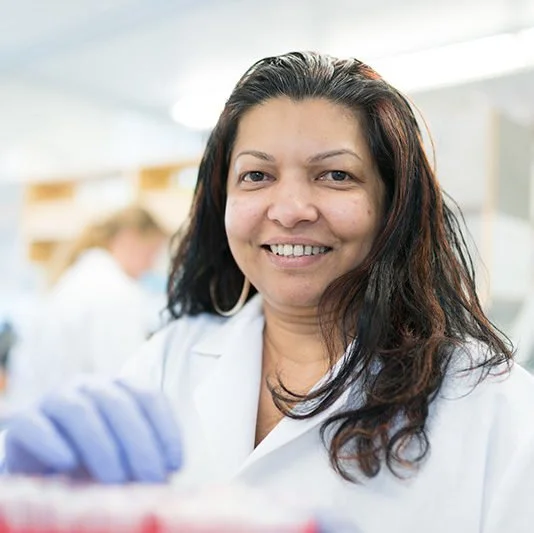
Dr Rushika Perera
Colorado State University, USA
Read More
Dr. Rushika Perera is a Professor at the Center for Vector-borne Infectious Diseases at Colorado State University, where she leads a research group investigating how host metabolism influences viral pathogenesis. Specifically, her group focuses on understanding the intricate relationships between metabolic processes and mosquito-borne viruses like dengue, Zika, and chikungunya in both the human host and mosquito vector.
Her team employs systems biology approaches such as metabolomics and lipidomics, together with molecular virology, and structural biology to define the biochemical landscape that fuels viral replication and transmission, with the ultimate goal of diverting this landscape to block or limit viral replication success.
The metabolic approach is particularly powerful because metabolites serve as dynamic indicators of the cellular state. These small molecules are intermediates and products of active biochemical pathways and therefore, provide a real-time snapshot of biological processes, offering unprecedented insights into disease progression. As such she is also able to use these methods to identify metabolite biomarker that are early predictors of severe disease. Perera believes that by understanding these metabolic pathways, scientists can potentially develop strategies to make the cellular environment less hospitable to viral invasion.
She is also the Co-Founder and Co-Director of the Center for Metabolism of Infectious Diseases (C4MInD) at Colorado State University. C4MInD collaborative research ecosystem that brings together the expertise of over 65 CSU researchers to enable development of new treatments, preventions and diagnostics for infectious diseases by resolving host-vector-pathogen-environment interactions at a metabolic level.
NATIONAL SPEAKERS
-
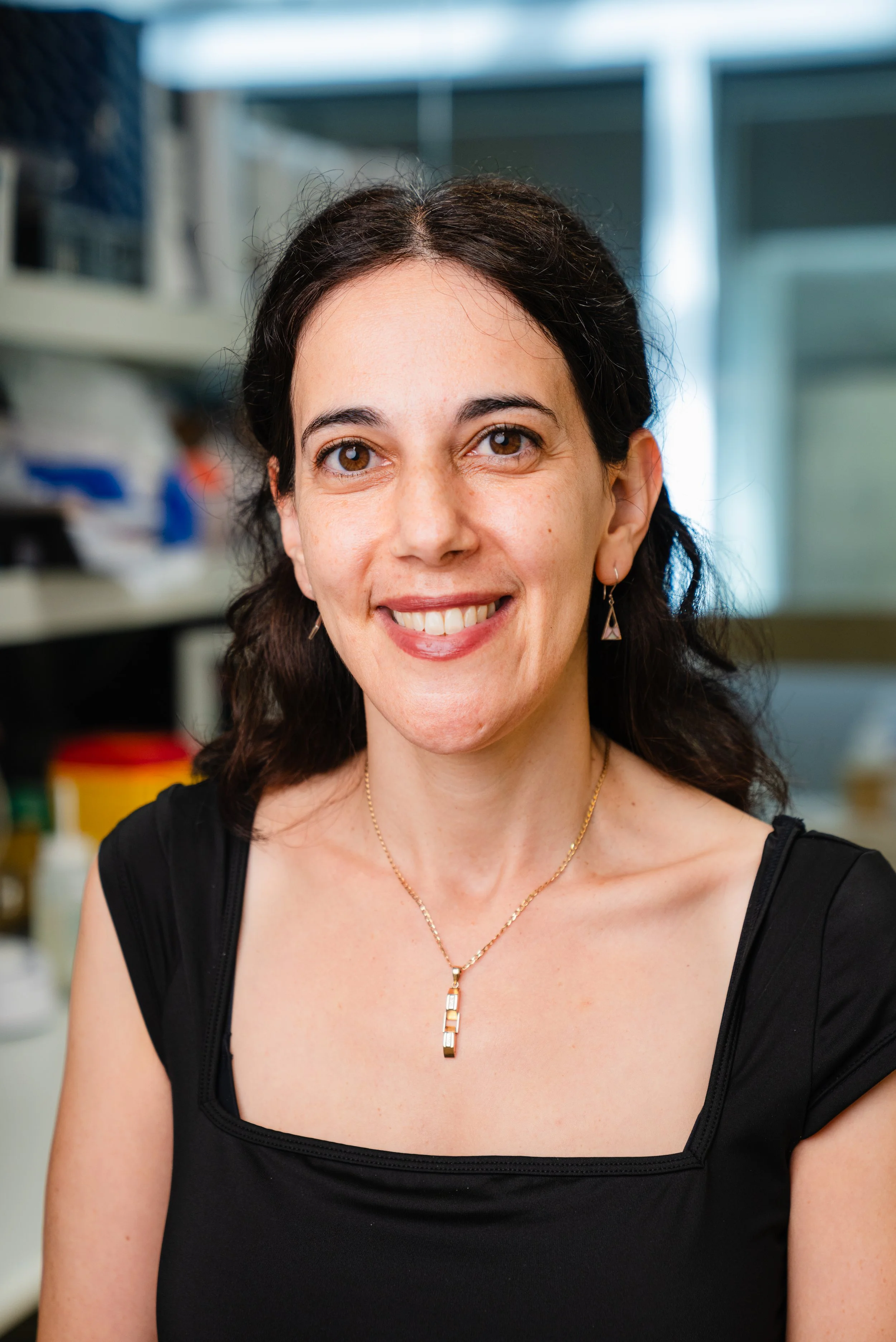
Dr Deborah Burnett
UNSW Sydney, NSW
READ MORE
Dr Deborah Burnett is a Scientia Senior Lecturer and Laboratory Head at UNSW, where she leads a multidisciplinary research program spanning mechanistic immunology and translational vaccinology. Her work focuses on understanding how immune responses can protect against infectious threats while avoiding the harmful self-reactivity that can drive autoimmune disease.
After completing her PhD in 2019, Dr Burnett established her first independent group at the Garvan Institute in 2022 and launched her laboratory at UNSW in 2024. Her research, published in major research journals including Science and Immunity, has helped redefine how self-reactive B cells contribute to protective immunity and is now shaping new approaches to prevention and cure of infections linked to autoimmunity.
Her contributions to research leadership and translation have been recognised through the NSW Premier’s Prize for Early Career Researcher of the Year, Research Australia’s Discovery Award, the Australian L’Oréal-UNESCO For Women in Science Fellowship, a Young Tall Poppy Award, the Marie Krogh Prize for Women in Science, and selection as an International Union of Immunological Societies Rising Star. Dr Burnett has recently been awarded a Snow Fellowship, through which Dr Burnett and her team aim to develop new ways to distinguish protective from harmful immune responses, advancing safer vaccines, diagnostics and therapies for vulnerable communities affected by infection-associated autoimmune disease.
-
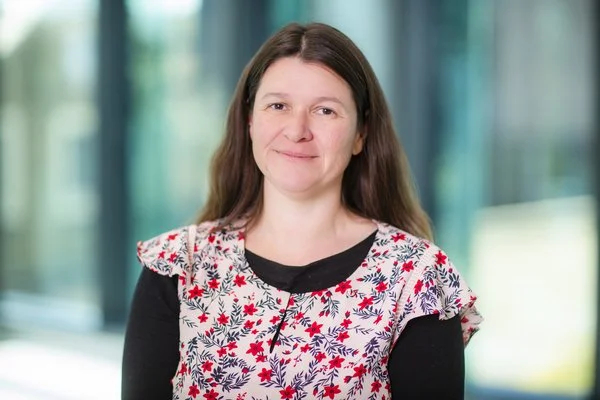
Prof Jo Devlin
The University of Melbourne, VIC
READ MORE
Professor Jo Devlin is a veterinary graduate of The University of Sydney and completed a PhD in Veterinary Virology at The University of Melbourne after working in private veterinary practice. Following her doctoral studies, she has held a series of research, teaching and leadership positions at The University of Melbourne, including two Australian Research Council (ARC) Fellowships. She also served for four years on the ARC College of Experts. Professor Devlin is currently Head of the Melbourne Veterinary School at the University of Melbourne.
Professor Devlin's research focuses on the pathogenesis, evolution and control of veterinary infectious diseases. Her work spans both domestic animals and wildlife, including birds, horses and marsupials, and encompasses fundamental studies of host–pathogen interactions as well as applied research aimed at improving disease prevention and control. Her research has contributed to the development and evaluation of veterinary vaccines and other disease management strategies.
-
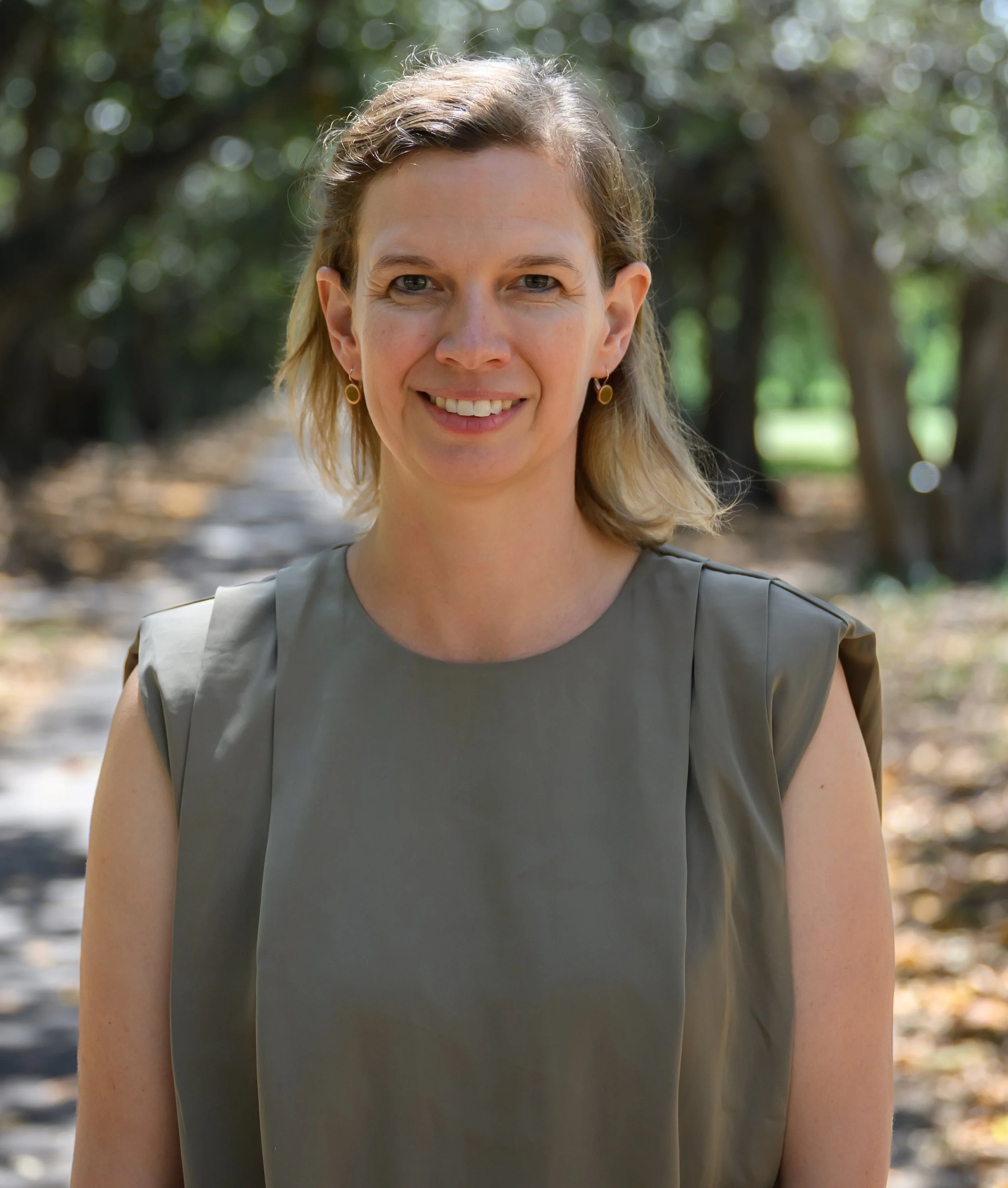
Dr Johanna Fraser
Burnet Institute, VIC
Read More
Dr. Fraser completed her PhD in 2011 under Prof. Heidi Drummer at Burnet Institute, Melbourne, before taking up a post-doctoral role at Monash. Her research led to the discovery of 4-HPR, a compound effective against dengue in a lethal mouse model. This compound is now licensed and recently demonstrated efficacy as a prophylactic in a Phase 2 dengue challenge trial.
In 2016, Dr. Fraser joined the World Mosquito Program, researching Wolbachia as a dengue biocontrol tool in the mosquito species Aedes aegypti. There, she contributed new knowledge to Wolbachia’s antiviral mechanism, safety, scalability as well as the risk of viral resistance emerging to the intervention.
In 2024, after acquiring NHMRC and ARC funding, Dr. Fraser returned to her original home of research, Burnet Institute, this time to lead her own team as the Head of the Arbovirology Working Group. In this role, her team is working closely with Island Pharmaceuticals, the company that licensed 4-HPR, to help advance the compound towards FDA approval. Her team also continues to work on Wolbachia, to determine the elusive antiviral mechanism of this bacterium, as well as to determine whether Wolbachia could be effective in controlling viruses transmitted by other mosquito species.
-
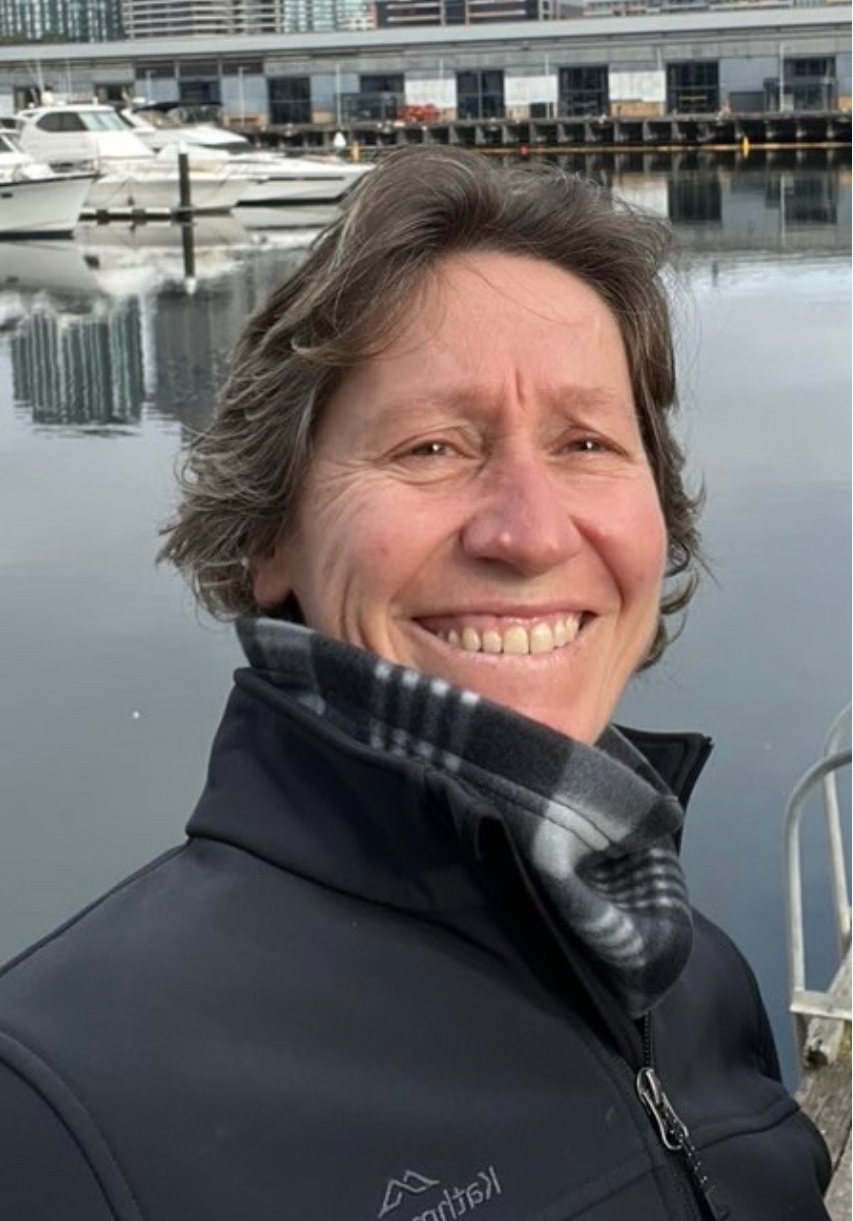
Prof Silvana Gaudieri
University of Western Australia, WA
READ MORE
Professor Silvana Gaudieri is an immunogeneticist at The University of Western Australia. She has led large population-based studies with collaborators at Murdoch University in Western Australia and Vanderbilt University Medical Center in the United States. These studies integrate immunogenetic, genomic, cellular and transcriptomic data to investigate how variation in the human immune system contributes to differences in responses to infectious pathogens and influences disease outcomes. Her research focuses on complex immune gene regions, including HLA, KIR and T-cell receptor genes, and their roles in regulating innate and adaptive immune responses to HIV, Hepatitis C and influenza. She has also investigated how host immune pressure shapes pathogen evolution and how immunogenetic variation can inform vaccine design, antiviral therapy and the prediction of immune-related risk. Professor Gaudieri also has an academic role involving the teaching of genetics and immunology to undergraduate students, postgraduate research supervision, and the mentoring of early- and mid-career researchers.
-
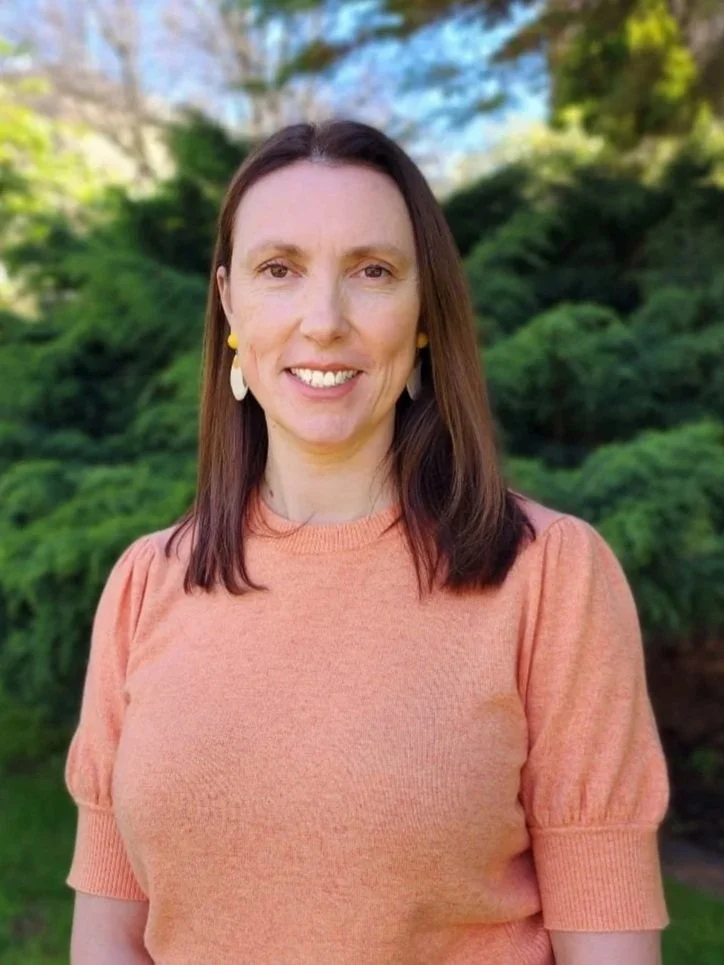
Prof Karla Helbig
La Trobe University, VIC
READ MORE
Professor Karla Helbig is a virologist and innate immunologist whose research focuses on how host cells detect and respond to viral infection. Her work investigates the molecular mechanisms underpinning antiviral immunity, with a particular emphasis on interferon signalling and the emerging roles of lipids and lipid droplets in controlling viral replication. Through a combination of advanced live-cell imaging, molecular biology, genomics, proteomics and lipidomics, her team has developed innovative technologies to examine host–virus interactions at high resolution. Her research has been instrumental in demonstrating that lipid droplets actively contribute to antiviral defence, reshaping understanding of cellular immunity. Her broad research program spans both human and animal health, including viral diseases affecting aquaculture species, and seeks to translate fundamental discoveries into new antiviral strategies.
-
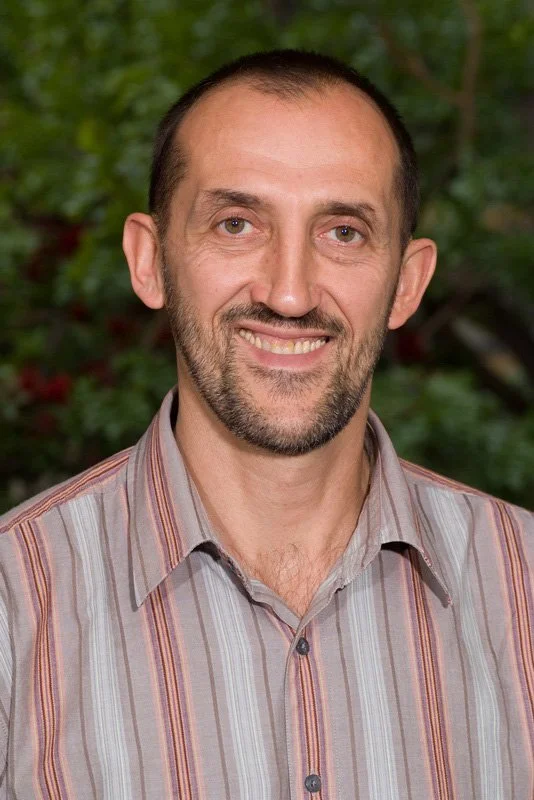
Prof Alexander Khromykh
University of Queensland, QLD
READ MORE
Professor Alexander Khromykh is a molecular virologist with research interests in molecular mechanisms of virus replication, virus-host interactions and development of self-amplifying RNA-based vaccines and therapeutics. He has a passion for pathogenic flaviviruses such as West Nile virus and more recently has developed an interest in insect-specific flaviviruses and SARS-CoV-2.
After completing his PhD in molecular virology in 1990, he did postdoctoral training at the University of Ottawa in Canada. He then joined Sir Albert Sakzewski Virus Research Centre at the Royal Children’s Hospital in Brisbane in 1992 where he initially worked under the mentorship of Professor Edwin Westaway and then became an independent group leader. He was awarded an NHMRC Senior Research Fellowship and moved his laboratory to St Lucia campus of the University of Queensland in 2005 to take up an appointment with the School of Chemistry and Molecular Biosciences (SCMB) where he continued to hold NHMRC fellowship for another 15 years.
Professor Khromykh was the founding Director of SCMB’s Centre for Infectious Disease Research and then the Deputy Director (Virology) of the Australian Infectious Diseases Research Centre and the Director of Centre of Excellence in the Global Virus Network.
He has authored >180 publications cited >18,000 times including papers in Science, Nature Biotechnology, Nature Microbiology, Science Translational Medicine, Cell Host & Microbe, Nature Communications, Science Advances, PNAS as well as 5 book chapters.
-
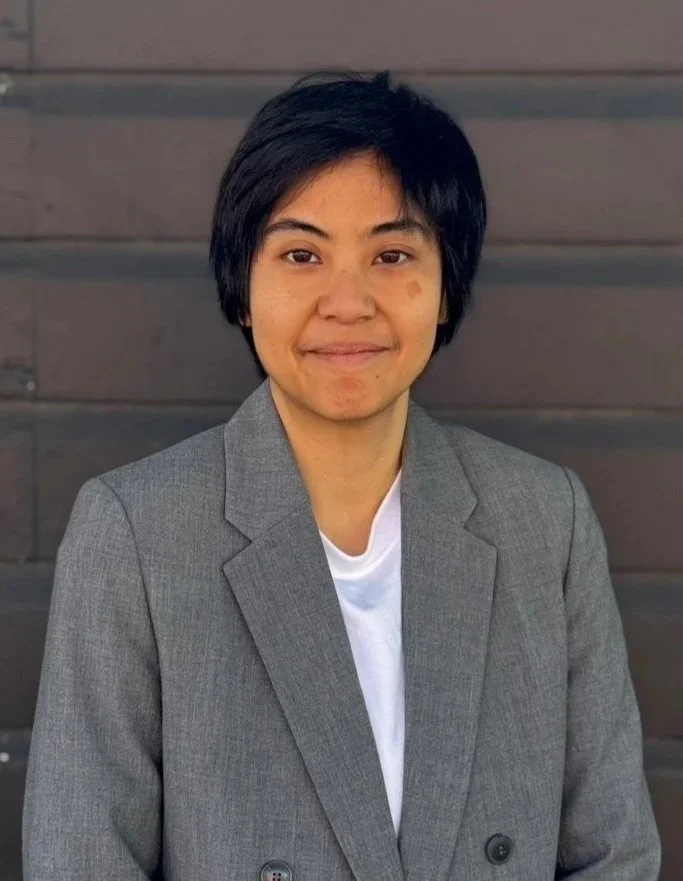
Dr Naphak Modhiran
University of Queensland, QLD
READ MORE
Dr Naphak Modhiran is DECRA research fellow at the School of Chemistry and Molecular Biosciences, University of Queensland. Dr. Modhiran is a molecular and structural virologist passionate about understanding the structure and function of viral glycoproteins and harnessing these findings to advance the design and development of vaccines and therapeutics. Her primary research focuses on deciphering the mechanisms through which antibodies and other molecules neutralise medically important human viruses, providing the critical framework for the effective development of vaccines and therapeutics. Dr. Modhiran employs a combination approach of molecular, immunological, biochemical, animal models and structural analysis techniques, with a particular emphasis on the application of cryogenic electron microscopy. Her work spans a diverse array of viruses including Flaviviruses, henipaviruses, Filoviruses and Coronaviruses.
-
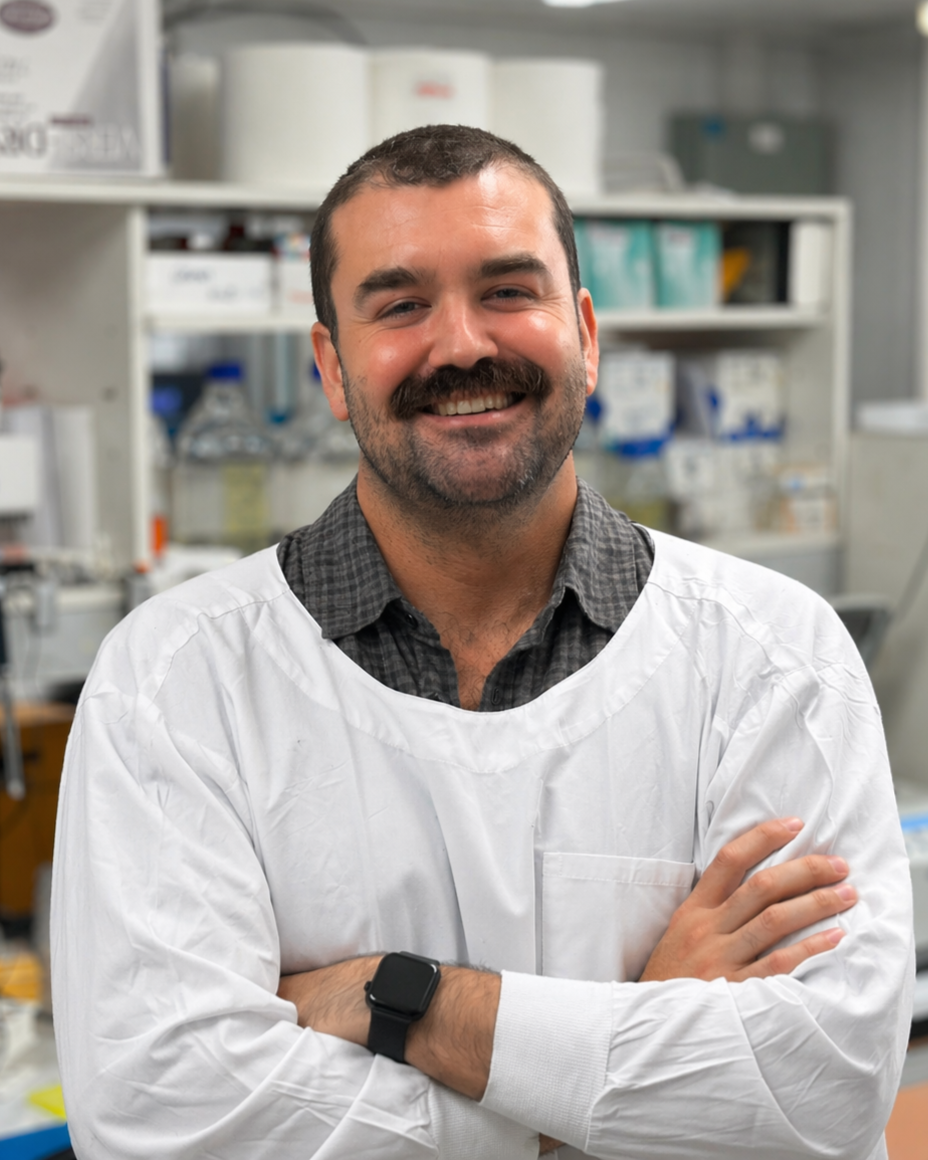
Dr Rhys Parry
University of Queensland, QLD
READ MORE
Dr Rhys Parry is an ARC DECRA Fellow and molecular virologist in the School of Chemistry and Molecular Biosciences at The University of Queensland, where he is establishing an independent research program within Professor Alexander Khromykh's RNA Virology Laboratory. His research combines molecular virology, genomics, bioinformatics and RNA engineering to understand how RNA viruses evolve, emerge and interact with their hosts. His work spans virus discovery, host–virus interactions, reverse genetics, computational genomics, and next-generation RNA technologies for vaccines and therapeutics.
Dr Parry completed his PhD at The University of Queensland in 2021, investigating the virome of Aedes mosquitoes and their interactions with Wolbachia. He subsequently joined Professor Khromykh's laboratory, contributing to SARS-CoV-2 reverse genetics and research on West Nile virus, Japanese encephalitis virus and SARS-CoV-2. His research integrates experimental virology with phylogenomics, metatranscriptomics, small RNA sequencing and computational pipeline development to study virus evolution, antiviral immunity and virus discovery. His current ARC DECRA Fellowship investigates how modified nucleotides influence RNA structure, immune sensing and function to improve self-amplifying RNA vaccines and therapeutics.
-
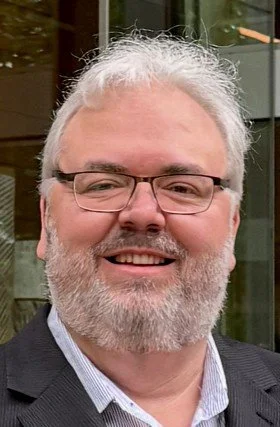
Prof Barry Slobedman
University of Sydney, NSW
READ MORE
Professor Barry Slobedman obtained both a BSc (with Honours) and a PhD in virology from the University of Adelaide before moving to Stanford University (USA) where he trained as a post-doctoral research fellow at the Stanford University Medical Center in the Department of Microbiology and Immunology. He returned to Australia as a Rolf Edgar Lake Fellow and established an independent research group in 2000.
He is a Professor of Virology and is the Infection, Immunity and Inflammation Theme Leader within the School of Medical Sciences in the Faculty of Medicine and Health. His research laboratory is located in the Charles Perkins Centre, University of Sydney Camperdown Campus, where his team focusses on understanding how human herpesviruses cause disease and how they manipulate the host immune response. He also is coordinator and teaches several undergraduate and postgraduate courses on medical virology.
-
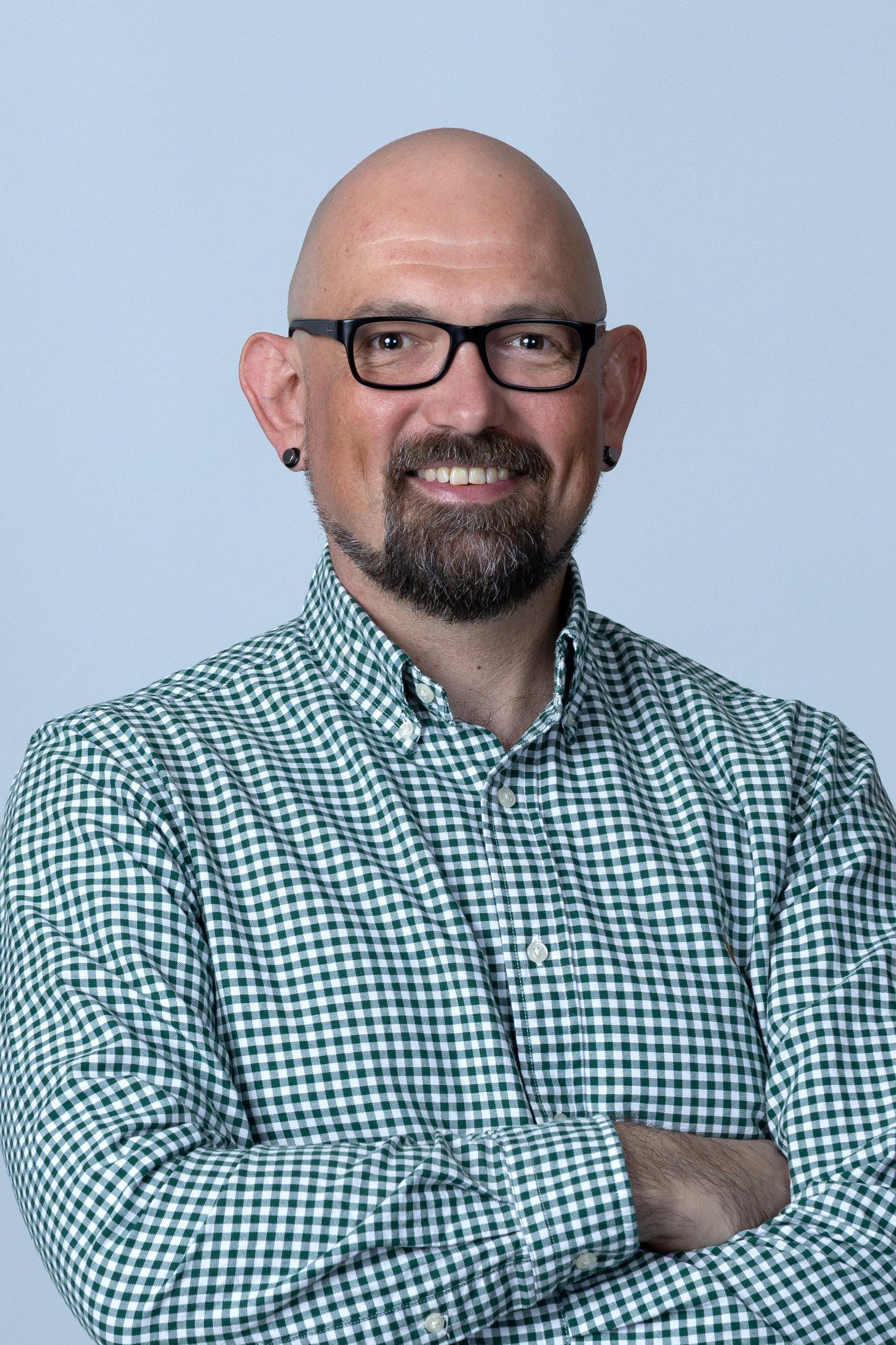
A/Prof Andrii Slonchak
QIMR Berghoffer, QLD
READ MORE
Associate Professor Andrii Slonchak is a team head of Systems Virology lab at QIMR Berghoffer Medical Research Institute (QLD). He obtained PhD in Molecular Biology in 2010 from the Institute of Molecular Biology and Genetics (Kyiv, Ukraine). In 2013 he joined the University of Queensland, where he completed his postdoctoral training in the RNA Virology Laboratory under the mentorship of Professor Alexander Khromykh. In 2024 he was awarded ARC Future Fellowship, and in 2025 appointed Team Head at QIMRB.
Andrii Slonchak pioneered the use of human brain organoids to model viral neurovirulence and was among the first to apply single-cell and spatial transcriptomics to study virus-host interactions. His work on flaviviral noncoding RNA (sfRNA) highly advanced our understanding of flavivirus immune evasion and has been published in leading journals, including Nature Communications and Science Advances.
Associate Professor Slonchak now leads cutting-edge research that utilises human organoid technologies and in vivomosquito models analysed through single-cell and spatial transcriptomics and advanced computational biology to reveal the mechanisms of arbovirus-host interactions in humans and mosquitoes. His team seeks to uncover viral and host mechanisms that determine susceptibility and resistance to arbovirus infection and translate these discoveries into novel antiviral therapeutic and disease prevention approaches.
-
A/Prof Thomas Tu
Westmead Institute for Medical Research, NSW
READ MORE
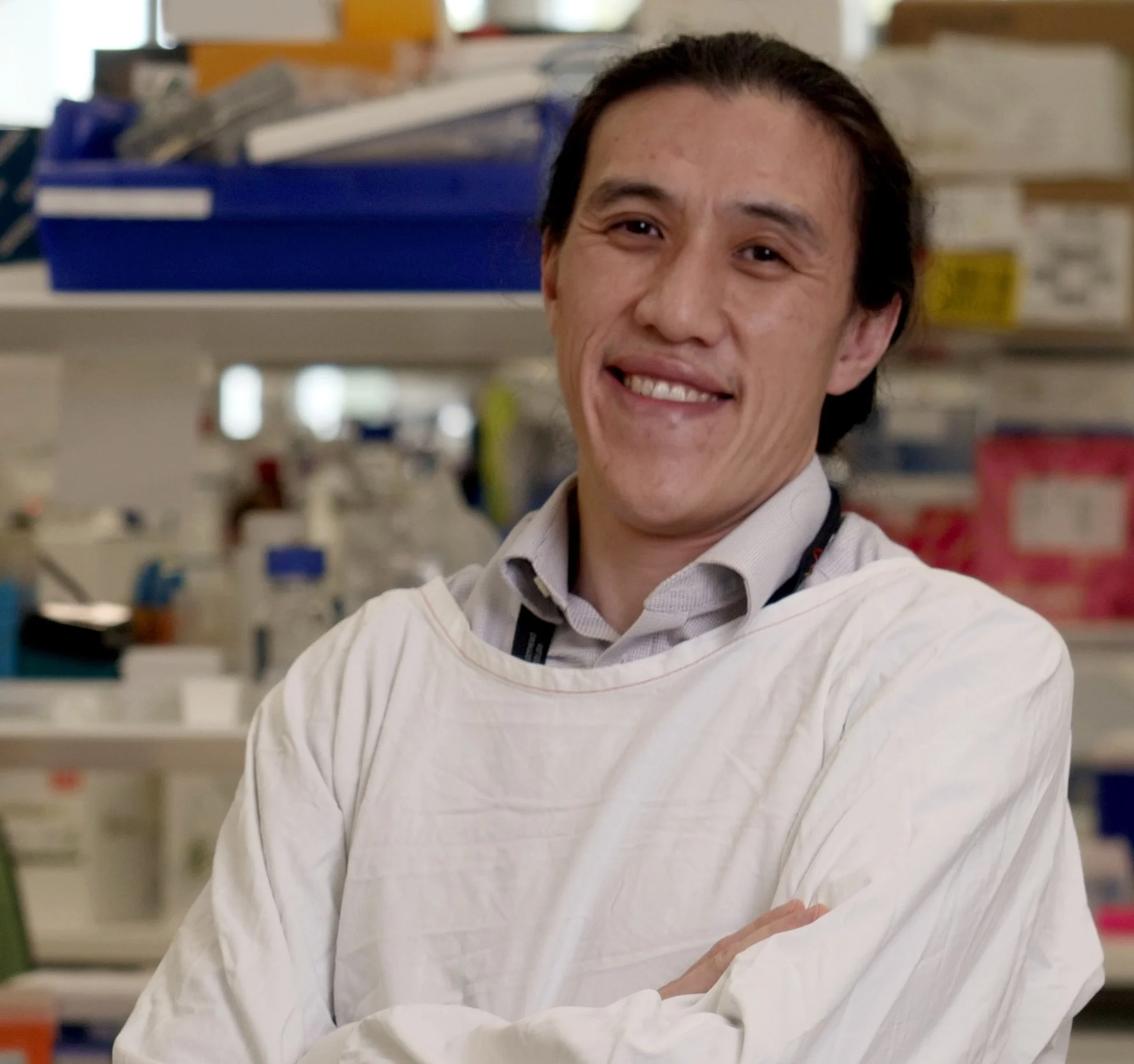
Associate Professor Thomas Tu is a molecular biologist (15 yrs experience) and leads a research group at the Westmead Institute for Medical Research in the Storr Liver Centre (Sydney, Australia), where his team focuses on persistent forms of the Hepatitis B virus (covalently closed circular DNA and integrated HBV DNA) and develops methods to measure and eliminate them.
He is particularly passionate about developing an HBV cure and mitigating the associated liver cancer, as he himself lives with chronic Hepatitis B. This provides him with unique perspectives on the disease as a researcher, patient, and advocate. He has won multiple awards for his research and outreach, most recently the 2022 Young Tall Poppy Science award, an Unsung Hero for the 2024 Sydney Awards, and the Inaugural Paul and Valeria Ainsworth Precision Medicine Fellowship.
A/Prof Tu is President of the Australian Centre for Hepatitis Virology, the premier Australian society for hepatitis virus researchers. He is also the founder, chair and director of HepBCommunity.org (a global support network for people affected with HBV), guiding people through their diagnosis, and linking them with trustworthy scientific and medical information. Recently he has established Hepatitis B Voices Australia, Australia’s first community group led entirely by people affected by hepatitis B. Finally, he is on the board of the World Hepatitis Alliance as the Western Pacific Region Representative.
-
Prof Vernon Ward
University of Otago, NZ
READ MORE
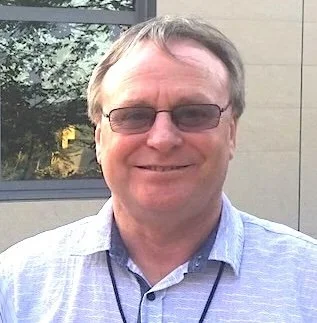
Professor Vernon Ward, Department of Microbiology & Immunology, University of Otago, has researched a wide variety of viruses, including +ssRNA, -ssRNA and DNA viruses. He obtained his PhD at the University of Otago in 1987 then undertook postdoctoral research at the NERC Institute of Virology, Oxford (UK), and at UC Davis (USA). He has also been a visiting academic to the University of Southampton (UK). His current interests are largely in the field of noroviruses and antiviral drugs and he is the current lead of an antiviral programme involving researchers from NZ, Australia and the USA (ANZARN, www.wgtn.ac.nz/ferrier/research/anzarn). He has served as the Head of the Department of Microbiology & Immunology and as the Dean of the School of Biomedical Sciences at Otago University. He is a Fellow of the Australasian Virology Society.