

RNA Industry Session
Translational RNA Technologies

About the session
This panel is a practical discussion of the path from academic RNA research to viable vaccines and therapeutics. It covers the challenges of translation, working with industry partners, and lessons from researchers with first-hand experience of moving RNA technologies towards real-world use.
There is no need to RSVP. Simply come along on the day.

Dr Sarah Herridge
Director, Research & Scientific Affairs, BioNTech
Read bio
Dr Sarah Herridge is an accomplished leader with more than 15 years of experience in RNA therapeutics development for oncology, spanning the full spectrum from target discovery to clinical trials. She holds a PhD in Biochemistry from Germany and completed her postdoctoral training at Cold Spring Harbor Laboratory, where she collaborated with Ionis Pharmaceuticals on pioneering RNA-based cancer therapies. Sarah has held leadership positions in academia, including as Lab Head at the University of Otago in New Zealand, and has served as Founder and Chief Scientific Officer of two RNA therapeutics startups, Amaroq Therapeutics and Fold AI.
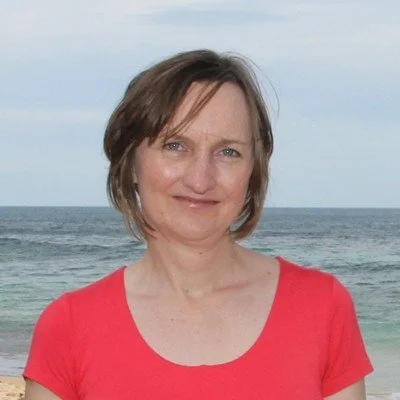
A/Prof Heidi Drummer
Burnet Institute
Read bio
Associate Professor Heidi Drummer is co-head of the Viral Fusion Laboratory and Program Director for Disease Elimination at the Burnet Institute in Melbourne. Her group focuses on developing vaccines for hepatitis C and on understanding viral entry.
Prof Nigel McMillan
Griffith University
Read bio
Professor Nigel McMillan is Director of the Molecular Disease Program at Griffith University and is internationally recognised as an expert in gene silencing therapy. Over the past decade he has made major contributions in delivery, virally caused cancers and the interface between RNAi and the immune system. He has published more than 80 papers and book chapters, with recent work in Clinical Cancer Research, Nature Nanotechnology and Nature Communications.
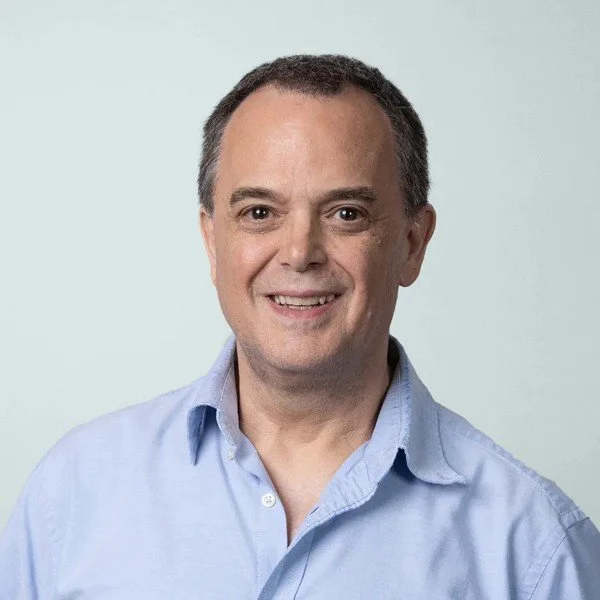
A/Prof David Harrich
QIMR Berghofer
Read bio
Associate Professor David Harrich completed his PhD in Experimental Pathology at the University of California in 1994, focusing on HIV-1/AIDS research, followed by postdoctoral training at the University of Texas Southwestern Medical Center. Earlier in his career he worked in industry in California. In 1997 he moved to Brisbane as Unit Head of AIDS Research at the Sir Albert Sakzewski Virus Research Centre, and joined QIMR Berghofer in 2002, becoming a Group Leader in 2009. His research discovered Nullbasic, a patented antiviral protein, identified eEF1A as a key partner of HIV-1 reverse transcriptase, and developed a dengue defective interfering particle platform that received a Wellcome Trust Innovator Award.